Why do we produce organic wine?
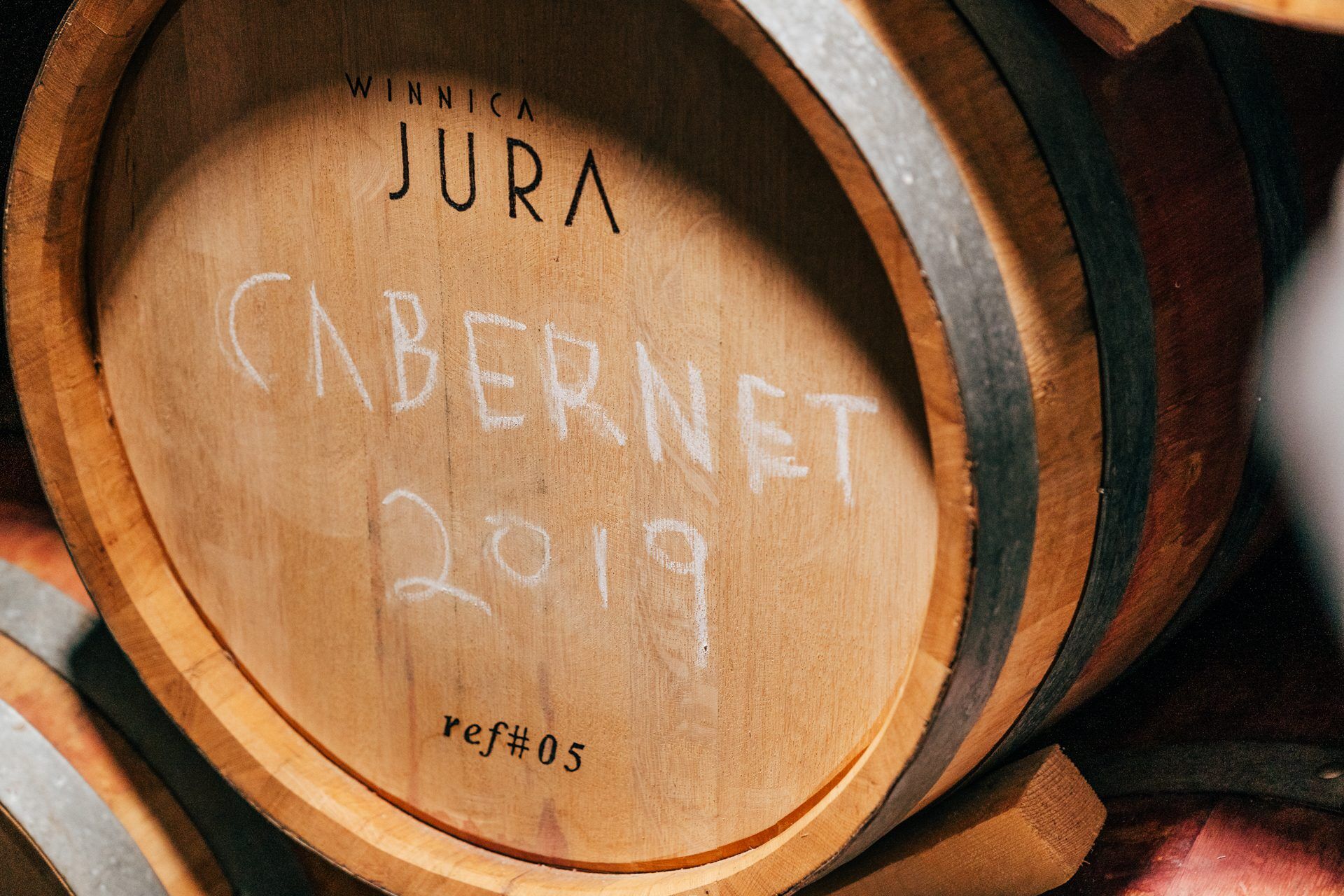
Organic or bio wine is a complicated matter
Why we produce organic wine is a question I’m often asked by wine tourists visiting our vineyard. I admit, I sometimes ask myself this question too, because the answer isn’t so obvious.
From an economic perspective, producing organic wines in Poland doesn’t make much sense. Why? Because, to begin with, Polish wines—regardless of how they’re made—are relatively expensive, with the average price ranging from 50 to 70 PLN, quite high for wines produced from relatively young vineyards.
I usually explain to people that this price isn’t due to the greed of the local winemaker, but rather the fact that, unlike our colleagues in Germany or France, we in Poland don’t inherit vineyards from our fathers or grandfathers. Here, we have to start everything from scratch: buy land, plant vines, erect scaffolding, and buy cultivation equipment. And once we have the vineyard under control, we have to build a winery and then equip it with expensive vinification equipment..
There is an apt expression in English – capital intensive industry Winemaking is precisely such a sector – it’s an industry that requires enormous capital expenditures right from the start. As if that weren’t enough, the average payback period for the investment itself is 20 years! And that’s assuming that the grape harvest remains stable throughout this period, which is, of course, unlikely, as not every season is the same. Believe me, I know much better investment opportunities than winemaking.
Let’s now add organic farming to the above picture. The climate may be warming, but I know from my own experience that climate change isn’t a straight line but rather a sinusoidal curve; we have very warm and dry summers like 2018 and 2019, but also rainy years like 2017 and 2020. Regardless, we’re still in a cold climate zone, and fungal pressures (powdery mildew and gray mold) and frosts are a constant component of every season.
Moreover, in organic farming we do not have such strong protective measures as in conventional farming, so our main weapon in the fight against diseases is prevention. This means that we, as organic winemakers, must perform more mechanical and manual procedures to prevent infection. This makes organic farming in Poland 20-30% more expensive than conventional farming..
The problem is that we, organic winemakers, have to “eat” these additional costs of organic farming ourselves. Given the already high prices of Polish wines, raising them even higher would mean a clear hara-kiri for the winemaker. Organic carrots can be twice as expensive in the supermarket, and everyone accepts that, but will anyone buy Polish organic wine for 120 złoty directly from the winemaker? I doubt it. Therefore, from an economic perspective, an organic vineyard is a dead end.
It’s true that conscious consumers are willing to pay higher prices, but it’s also true that the average domestic consumer doesn’t see the positive value of organic wines. Although awareness of healthy eating has become more established in Poland, for the average consumer, wine is still wine. And here we face a huge educational challenge..
Let me make it clear right away that I’m the last person to say that organic wine is healthy. Wine contains alcohol, and as long as it’s there, wine, regardless of its form, will always be an unhealthy beverage. We can dismiss the notion that red wine is healthy because, yes, it contains antioxidants and yes, this and that can be beneficial, but only in quantities of one or two glasses a week—and what wine drinker would realistically limit themselves to such amounts?
However, I will also be the person who says that organic wine is healthier from conventional wine because it doesn’t contain any harmful chemicals. It’s shocking, or at least it was shocking to me when I learned about it, that wine is one of the last food products whose labels, with the exception of sulfates, don’t have to list what’s inside! It’s no secret that commercial wine is full of chemicals; the lion’s share of these chemicals comes from sprays and fertilizers, but they’re also added at the processing plant in the form of enzymes, color fixatives, preservatives, and stabilizers. Nobody’s hiding it; just fire up Uncle Google and search.
I always explain to people that wine is a living creature, a constant chemical process. Wine is constantly changing. Especially with red wine, drinkers often buy a whole case of a given vintage to open a bottle each year and compare it – because over time, the aromatic profile of the wine changes, and the tannins become even more complex. For this to happen, however, the wine needs a relatively cool temperature and darkness.
Now, imagine going to the supermarket and, usually just behind the sunny shop window and checkout counters, there are shelves of wine, often in clear bottles. They just sit there and taste the same even after two years. Ladies and gentlemen, there are no miracles! Normal wine would have gone bad long ago in such storage conditions.
So why do we produce organic wine? I always smile when I hear that I’m making organic wine because it’s trendy. Nothing could be further from the truth. As I try to show, this trend isn’t driven by money—it’s more about money.
For us, this reason stems from our view of the world. Regardless of winemaking, I personally believe that all the so-called “diseases of civilization,” such as cancer, allergies, autism, and other disorders that suddenly appear out of nowhere, are largely caused by what we put into our stomachs. Unfortunately, chemicals are everywhere these days—in our clothes, in building materials, in food, even in wine. Making organic wine is, to a small extent, our personal protest against the chemicalization of the world. Moreover, when we decided to establish a vineyard, it was important to us to live in symbiosis with the ecosystem and the soil. These are the real reasons why we produce organic wines today, despite economic common sense. I, of course, hope that over time, more and more consumers will share our view and consciously choose this type of wine..